
Tsektor manufaktur blok beton globalSektor konstruksi sedang mengalami transformasi mendalam, didorong oleh urbanisasi yang cepat, pengetatan peraturan bangunan ramah lingkungan, kenaikan biaya tenaga kerja, dan peningkatan investasi infrastruktur di pasar negara berkembang. Meskipun aktivitas konstruksi secara keseluruhan menghadapi tekanan siklus di beberapa negara maju, permintaan akan blok berongga, paving blok, dan unit batu bata khusus terus meningkat di Afrika, Asia Tenggara, dan Timur Tengah, yang membentuk kembali rantai pasokan peralatan dan model bisnis pabrik produksi di seluruh dunia.
Permintaan yang kuat dari negara-negara berkembang mendorong peningkatan peralatan.
Ekspansi perkotaan dan program perumahan terjangkau skala besar tetap menjadi mesin pertumbuhan utama untuk konsumsi batu bata. Di seluruh Afrika Sub-Sahara, lebih dari 85% produksi batu bata masih bergantung pada operasi manual atau semi-manual, namun pertumbuhan konstruksi tahunan melebihi 4% di banyak negara, menciptakan potensi besar untuk solusi produksi mekanis. Nigeria, Kenya, Ethiopia, dan Ghana merupakan pusat utama, di mana para pengusaha lokal secara bertahap menghapus mesin cetak manual berkapasitas rendah dan beralih ke lini produksi batu bata semi-otomatis berkapasitas menengah dan lini produksi otomatis tingkat pemula.
Asia Tenggara terus menunjukkan momentum pembangunan yang kuat. Proyek ibu kota baru Indonesia, kekurangan perumahan di Filipina, dan pengembangan zona industri di Vietnam mendorong peningkatan tajam kebutuhan tahunan akan blok beton. Di Timur Tengah, proyek-proyek besar yang digerakkan oleh visi di Arab Saudi dan UEA memberlakukan kode bangunan yang diperbarui dengan persyaratan kekuatan tekan yang lebih tinggi, memaksa produsen blok lokal untuk meningkatkan mesin-mesin usang agar dapat menghasilkan produk yang lebih baik. Blok jadi berkualitas tinggi dan stabil secara dimensi.
Yang perlu diperhatikan, segmentasi pasar semakin jelas. Pasar yang sensitif terhadap harga masih mempertahankan permintaan yang stabil untuk mesin semi-otomatis yang hemat biaya, sementara pabrik blok komersial besar semakin memprioritaskan total biaya kepemilikan (TCO) daripada hanya harga pembelian awal, dengan mengevaluasi konsumsi energi jangka panjang, keausan cetakan, kerugian akibat waktu henti, dan dukungan purna jual saat memilih peralatan produksi.
Dua tren industri utama: otomatisasi dan penggunaan kembali bahan baku dalam ekonomi sirkular.
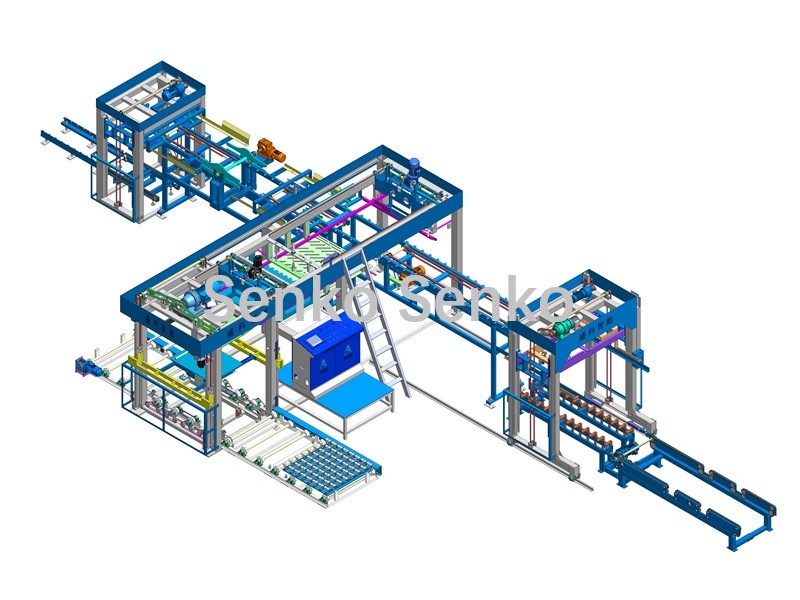
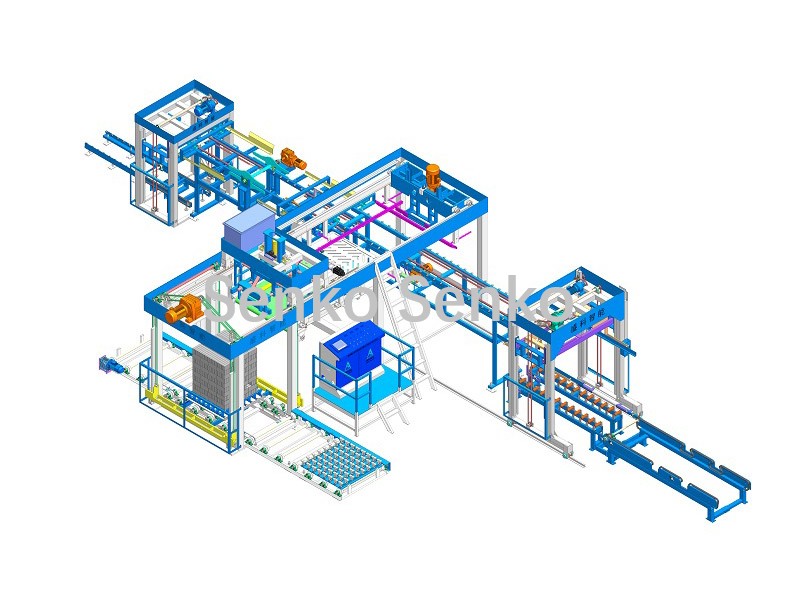
Penetrasi otomatisasi terus meningkat di seluruh rantai nilai pembuatan blok. Pasar mesin pembuatan blok otomatis global diproyeksikan tumbuh dengan CAGR 8,3% hingga tahun 2030, karena pemilik pabrik menginginkan lebih sedikit operator, lebih sedikit cacat yang disebabkan oleh manusia, dan output yang stabil sepanjang waktu. Lini produksi otomatis modern mengintegrasikan pencampuran otomatis, pemberian makan cerdas, pembentukan getaran hidrolik, sirkulasi palet, penanganan kereta jari ruang pengeringan, dan penumpukan robotik, menghasilkan berat dan kekuatan blok yang konsisten bahkan di bawah operasi shift berkelanjutan.
Pada saat yang sama, persyaratan keberlanjutan dan ekonomi sirkular membentuk kembali formula bahan baku dan spesifikasi peralatan. Produsen semakin banyak menggunakan abu terbang, terak, debu batu, dan agregat konstruksi-pembongkaran daur ulang untuk sebagian menggantikan pasir dan kerikil murni, sehingga mengurangi biaya material dan jejak karbon. Pergeseran ini menciptakan tantangan teknis baru bagi Peralatan pembuatan blok: sistem pencampuran harus mampu menangani campuran multi-komponen yang kaya akan bubuk, sistem pengumpanan memerlukan struktur anti-penyumbatan, dan parameter getaran-hidraulik harus dapat disesuaikan agar sesuai dengan karakteristik agregat lokal yang bervariasi. Para pemasok mesin kini menghadapi peningkatan permintaan pelanggan akan peralatan yang dapat disesuaikan dengan beragam bahan baku lokal yang berasal dari limbah, alih-alih hanya dioptimalkan untuk campuran beton pasir-batu standar.
Tantangan industri yang ada
Terlepas dari prospek pertumbuhan yang positif, sektor ini menghadapi tantangan yang jelas. Volatilitas harga semen secara langsung menekan margin keuntungan pabrik blok di semua wilayah. Di banyak pasar negara berkembang, pasokan listrik yang tidak stabil, suhu tinggi, dan lingkungan kerja yang berdebu memberlakukan persyaratan ketat pada daya tahan mesin, ketahanan panas, dan ketersediaan suku cadang yang mudah didapatkan; peralatan standar bergaya Eropa yang diimpor terkadang gagal menyesuaikan dengan kondisi lapangan setempat tanpa modifikasi.
Masalah lain terletak pada fragmentasi pasar. Sejumlah besar bengkel skala kecil berdampingan dengan pabrik otomatis modern. Perangkat sederhana berbiaya rendah membanjiri pasar, menciptakan tekanan persaingan harga, sementara banyak pengguna akhir kurang menyadari kerugian jangka panjang yang disebabkan oleh peralatan berkualitas rendah, sehingga menghambat popularisasi lini produksi otomatis efisiensi tinggi yang lebih cepat.
Prospek industri untuk tiga hingga lima tahun ke depan
Para analis memperkirakan pasar blok beton global Untuk mempertahankan pertumbuhan tahunan yang stabil di sekitar 4,8% hingga tahun 2030. Tiga arah akan menentukan keunggulan kompetitif bagi produsen peralatan dan produsen blok bangunan:
1. Mesin yang fleksibel dan dapat beradaptasi dengan berbagai material: Mesin yang mampu bekerja dengan berbagai agregat lokal dan bahan limbah industri akan mendapatkan pangsa pasar yang lebih besar.
2. Strategi produk bertingkat: Menawarkan solusi semi-otomatis yang ekonomis untuk investor kecil sekaligus menyediakan sistem lini produksi lengkap yang cerdas dalam skala besar untuk pabrik-pabrik besar.
3. Ekosistem purna jual yang lengkap: Gudang suku cadang lokal, dukungan diagnostik jarak jauh, dan pelatihan teknis di tempat menjadi keunggulan kompetitif yang penting, bukan sekadar tambahan opsional.
Seiring dengan kemajuan pembangunan perumahan dan infrastruktur di negara-negara berkembang, blok beton akan tetap menjadi salah satu bahan bangunan yang paling hemat biaya. Pabrik dan vendor peralatan yang mampu menyeimbangkan investasi modal, kemampuan beradaptasi dengan material lokal, dan tuntutan produksi berkelanjutan akan merebut pangsa pasar terbesar di masa depan.
Penjualan : No.33,Jinhe Avenue,Binjiang Development Zone, Daxiamei Area,Nanan County,Quanzhou City, Fujian,China
Hubungi Kami Sekarang : +8615559090996
E-mail : senko@fjsenko.com